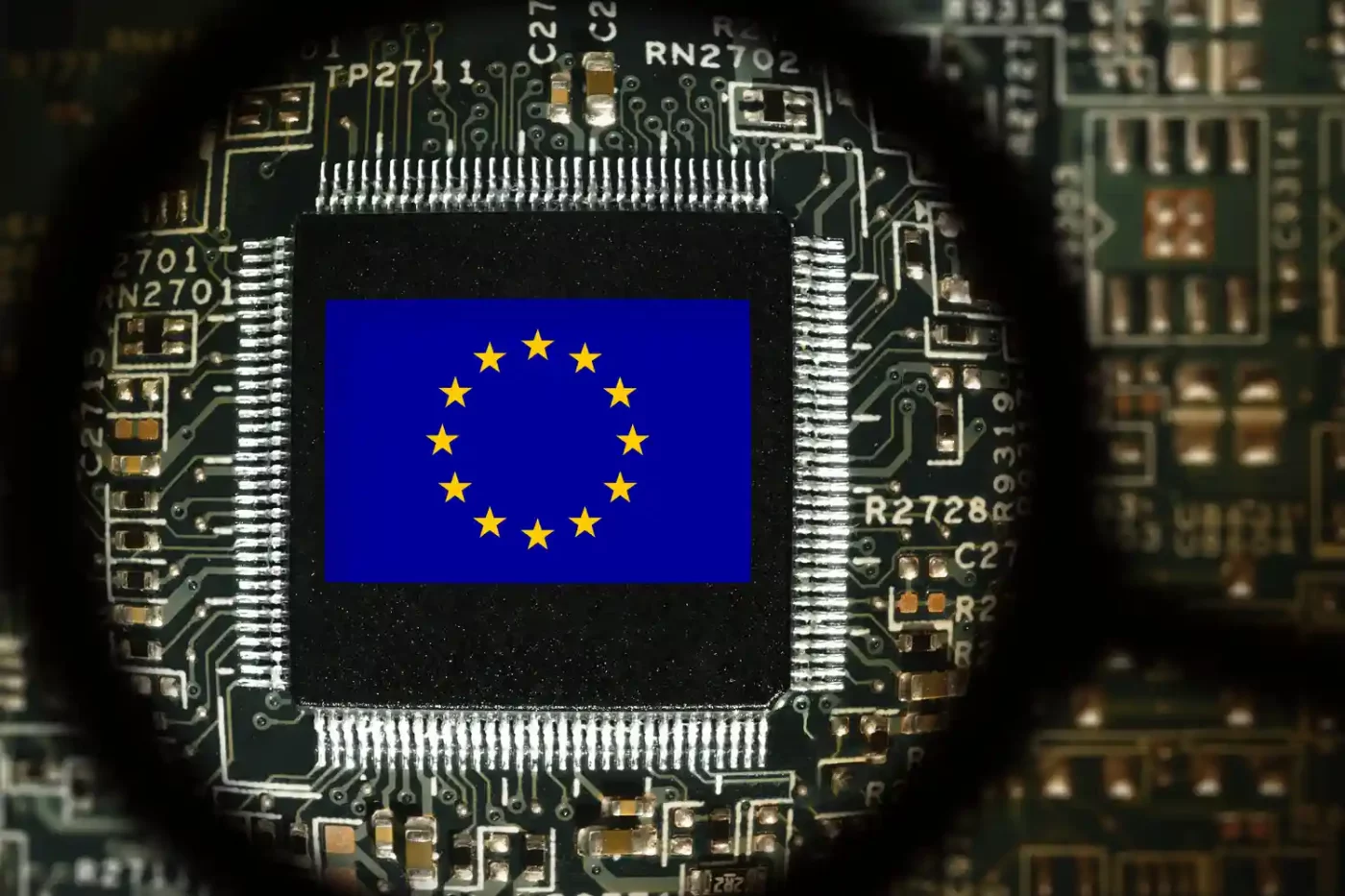
The European Parliament has announced that it has taken a decisive step toward refining the AI Act as the Internal Market and Civil Liberties committees approved a joint position on a new simplification proposal. In a significant move to protect personal dignity, the Members of the European Parliament (MEPs) have called for a ban on “nudifier” AI systems used to create non-consensual sexually explicit imagery of real people, though the ban excludes systems equipped with robust safety safeguards.
To ensure legal certainty for the tech industry, the committees proposed specific application dates for high-risk systems, setting December 2, 2027, for general high-risk applications like biometrics and law enforcement, and August 2, 2028, for AI used as safety components in products covered by existing EU safety laws. While the MEPs supported giving providers more time to implement watermarking for AI-generated content, they suggested a deadline of November 2, 2026, which is sooner than the date originally proposed by the European Commission.
Beyond safety and deadlines, the proposal introduces measures to bolster European competitiveness by reducing regulatory fragmentation and supporting small mid-cap enterprises as they scale up. The committees also backed allowing service providers to process personal data for bias detection, provided strict safeguards are met to protect privacy. This legislative push is a direct response to concerns that key technical standards might not be ready by the original targets, prompting the need for a “stop-the-clock” approach to prevent penalizing innovative companies.
On this matter, the full Parliament is expected to vote on March 26, after which negotiations with the European Council will begin to finalize these updates to the EU AI Act.
There was a previous delay on the vote connected to the EU AI Act which the Parliament confirmed.
This initiative is part of a broader Digital Omnibus package introduced by the European Commission in late 2025, which aims to harmonize data protection and digital business laws.