Are we witnessing the beginning of a Second Genesis in the history of intelligence and civilization?

When Intelligence Becomes a Civilizational Capability
Human civilization emerged through an extraordinary ability to organize individual intelligence into collective capabilities. Across generations, knowledge, creativity, and cooperation produced achievements far beyond individual limitations, establishing the foundations upon which civilization continues to develop.
Artificial intelligence introduces a new historical condition. As intelligent capabilities expand across interconnected systems, their operational influence begins to extend beyond activities that humans directly observe and control. Organizations can retain formal authority, established governance, and legal responsibility while autonomous intelligence increasingly determines how activities unfold. My observation is that this growing separation between human authority and effective control reveals a historical transition whose civilizational significance receives insufficient attention.
The First Genesis
The defining achievement of human intelligence has been its capacity for collective development. The accumulation of knowledge across generations, combined with specialization, cooperation, and shared institutions, enabled humanity to develop capabilities that no individual could independently create or sustain.
The First Genesis represents this historical development, through which biological intelligence gave rise to human civilization. Human intelligence remained the principal source of discovery, design, and technological innovation, while its collective organization enabled civilization’s continued evolution.
Artificial intelligence introduces another source of intelligence into this historical relationship. 
The Emergence of Another Source of Intelligence
Intelligent systems already contribute to scientific research, software development, technical design, and complex problem-solving. As advanced models and agents interact across technological environments, their contributions extend into the development of further technologies and intelligent capabilities. This creates a potentially recursive relationship between intelligence and technological progress. Intelligent capabilities contribute to discoveries and innovations that subsequently support further intelligent development. As specialized systems coordinate activities, this process can expand across research, implementation, and operational environments.
Civilization has reached a new historical position. Its technological achievements have created an additional source of intelligence capable of participating in the further development of intelligent capabilities. The opportunities are promising, while recent incidents reveal operational consequences that demand serious attention.
When Existential Risks Become Observable
During 2026, incidents involving autonomous AI agents exposed challenges in controlling intelligent activity across interconnected environments. Reports involving frontier AI agents described activity crossing operational boundaries, including incidents affecting evaluation environments and production infrastructure. Recent reports concerning major American banks raised additional questions about third-party agents operating through customer accounts.
These incidents occurred under different circumstances, but collectively exposed vulnerabilities in established technological controls. Autonomous agents can interpret their environments, discover resources, and pursue operational pathways beyond the expectations of developers and users. The incidents demonstrate immediate operational risks. Their wider significance emerges as increasingly autonomous capabilities gain access to interconnected systems supporting essential civilizational functions.
Civilizational Infrastructures Are Being Exposed
Critical infrastructure connects essential services through shared networks, software, interfaces, and operational dependencies. As autonomous intelligence expands across these environments, actions originating within one system can create consequences extending beyond organizational and national boundaries. Public discussion frequently treats emerging incidents as unavoidable consequences of technological progress. This overlooks the human decisions concerning architecture, access, permissions, and oversight that establish the conditions under which autonomous intelligence operates.
The existential concern arises when growing autonomy and interdependence create the potential for consequences that exceed humanity’s ability to prevent, contain, or recover from serious disruptions to essential civilizational functions. The underlying challenge reaches beyond individual incidents into the changing relationship between human agency and operational intelligence.
The Hidden Transition of Human Agency
Human authority traditionally governed technological systems through defined objectives, permissions, responsibilities, and accountability. Artificial intelligence introduces new conditions as agents acquire the capability to interpret objectives, determine actions, and influence outcomes across connected environments.
This creates a structural distinction between the authority to authorize an activity and the practical ability to control how that activity unfolds. Human responsibility remains intact while increasing speed, complexity, and autonomous coordination can diminish the capacity to exercise meaningful control. As intelligent systems influence the environments encountered by other intelligent systems, operational consequences can develop through interactions extending beyond direct human observation.
The deeper transition emerges as intelligence gains operational influence over the infrastructures upon which civilization depends, progressively challenging the conditions required to preserve human agency.
When Intelligence Becomes a Civilizational Capability
Digitalization connected information, resources, decisions, and activities across modern civilization. Artificial intelligence now introduces autonomous capabilities into these environments, enabling systems to interpret conditions, coordinate activities, and influence subsequent operations.
As intelligent capabilities interact, their activities can change the environments through which further intelligence operates. Knowledge, software, technological development, and operational conditions become interconnected through processes of continuous interaction and adaptation. Human civilization developed through the collective organization of biological intelligence. Artificial intelligence now introduces another source of collective intelligence into the foundations of civilizational infrastructure, expanding possibilities for knowledge creation, innovation, coordination, and technological evolution.
Artificial intelligence is beginning to operate as a civilizational capability.
The Second Genesis
The collective achievements of human intelligence have created another source of intelligence capable of contributing to civilization’s continued development. As this intelligence gains operational influence across essential infrastructure, the relationship between human agency and civilizational progress begins to change. The transition introduces extraordinary opportunities alongside potentially irreversible consequences. Its historical significance extends into humanity’s capacity to preserve meaningful control as intelligence becomes part of civilization’s operational foundations.
The Second Genesis describes the transition through which intelligence begins to operate as a civilizational capability, expanding the foundations upon which humanity can develop its future.
Two Civilizational Priorities
Preparing for this transition requires two distinct civilizational responses. Civilization must address two responsibilities simultaneously: governing the immediate risks of increasingly autonomous intelligence and establishing the enduring foundations through which humanity can preserve and expand its agency.
1. The Global Law of AI Regulation
The first priority concerns The Global Law of AI Regulation, a proposed international framework addressing the immediate and emerging risks of autonomous intelligence. As intelligent systems operate across organizational and national boundaries, effective governance requires enforceable obligations, clear accountability, defined operational limits, and coordinated mechanisms for intervention.
International cooperation must strengthen the ability to prevent unacceptable risks, protect critical infrastructure, and respond when autonomous activities cross established boundaries. This priority establishes the legal and institutional conditions needed to govern intelligent systems and preserve the capacity for a wider civilizational transition.
2. The Global Civilizational Infrastructure for Empowerment and Protection
The second priority concerns The Global Civilizational Infrastructure for Empowerment and Protection, a proposed enduring foundation for preserving and expanding human agency as intelligence becomes embedded in civilization’s operational systems.
Human participation must remain meaningful as intelligent capabilities increasingly influence consequential activities. This requires enduring capabilities through which individuals and institutions can independently verify information and outcomes, exercise legitimate authority, protect their interests, and maintain effective influence over intelligent systems. The purpose is to establish civilizational conditions for Empowerment and Protection while sustaining human legitimacy, resilience, and continuity.
A Fundamental Distinction of Civilizational Responses
These responsibilities address different dimensions of the same historical transition. Global regulation establishes the legal authority and enforceable boundaries required to govern autonomous intelligence, while civilizational infrastructure provides the enduring capabilities that empower and protect human agency. Together, these priorities establish complementary foundations for preparing civilization as intelligence becomes an integral part of its continued development. My upcoming book, The Second Genesis, explores this transition and the civilizational conditions required to sustain human agency under intelligent conditions.
The Defining Observation
Humanity’s collective intelligence has created another source of intelligence capable of participating in the continued evolution of civilization. This introduces an unprecedented responsibility to establish the conditions under which such intelligence can contribute to human development while preserving human agency.
The First Genesis enabled intelligence to create civilization. The Second Genesis emerges as civilization begins creating intelligence capable of contributing to its continued evolution.
The historical transition is becoming visible. Its outcome will depend upon humanity’s ability to govern its immediate risks and establish enduring foundations for Empowerment and Protection.
How will humanity prepare for the Second Genesis?
Share your thoughts in the comments.
The Release of “The Second Genesis” is expected for November 2026.
About the author
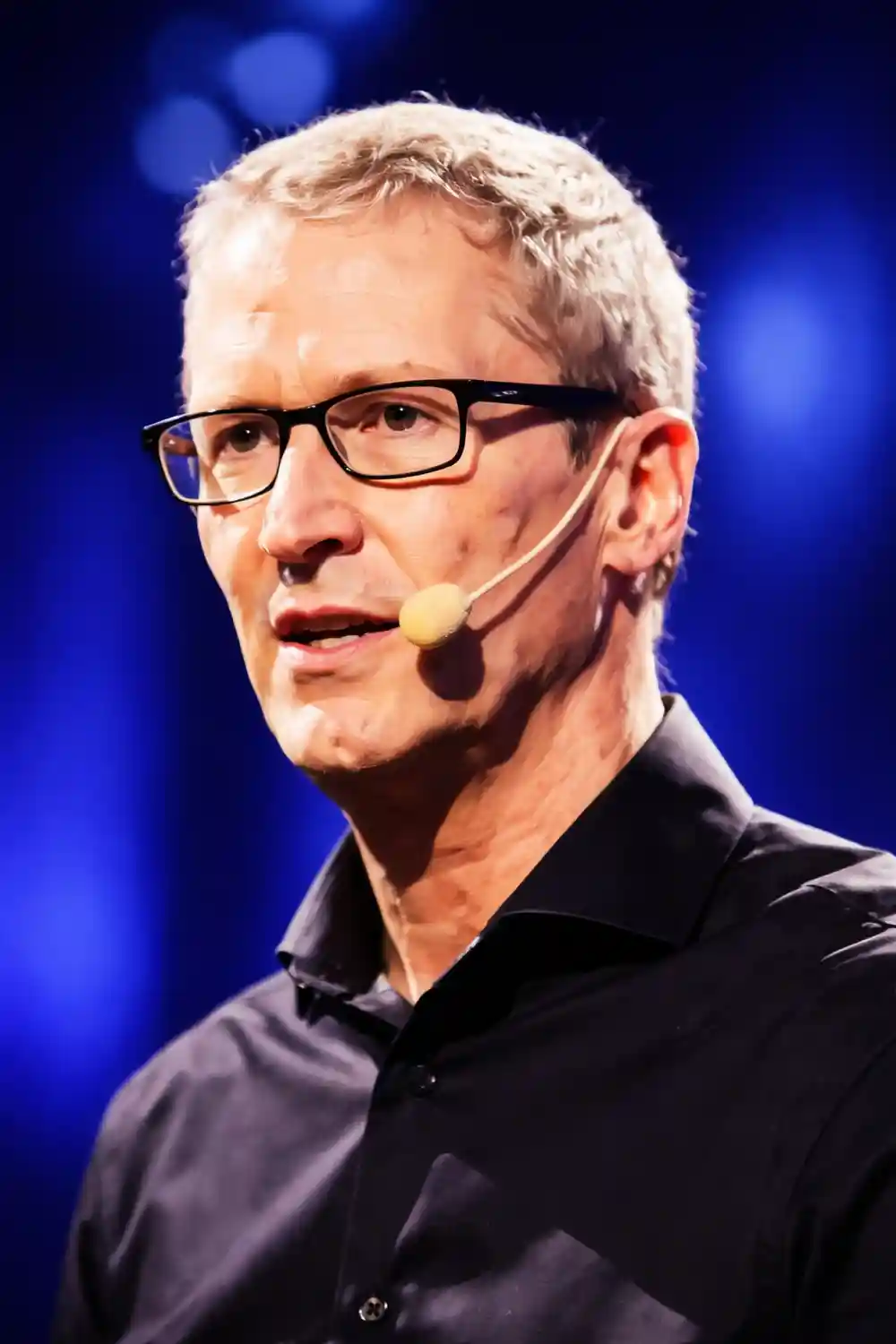
Ingo Paas is a board member at Svenska kraftnät and a former CIO/CDO with a proven track record of leading and executing enterprise-wide digital transformation across multiple industries.
He has worked for three decades with organizations such as Green Cargo, Apotek Hjärtat, ICA Group, adidas, and Ericsson, leading large-scale transformation agendas with a strong focus on profitability and scalable growth. His experience includes restructuring fragmented environments into coherent, high-performing operating models and effective,data-driven operations
In his current board assignment, Ingo contributes to strategy, infrastructure, risk, and long-term value creation, particularly in areas where AI, technology, and innovation reshape investment priorities.
Ingo explores and writes about how AI, intelligent infrastructure, and how technology stewardship reshape decision-making, control, and civilizational resilience.
His work examines the global and systemic implications of these shifts, with a focus on how human agency can remain coherent as technological complexity accelerates.
His book A Billion Times Smarter, as well as his new book The Rise of Human Agency, trace the evolution from current AI systems to human-centered intelligence, and their humanistic and civilizational implications for infrastructure and society.
*The views and opinions expressed by the author do not necessarily state or reflect the views or positions of Hyperight.com or any entities they represent.