
How do you rebuild the engine of a global retail giant without ever pulling the train into the station? For H&M, the answer lies in a radical “Platform as a Product” transformation.
With 4,000 stores and 60 online markets, H&M was facing a classic enterprise hurdle: a fragmented legacy landscape where data lived in silos and access often depended on “who you knew.” To stay competitive, the fashion leader has moved away from rigid infrastructure toward a unified, composable data experience.
The “Data Products in a Day” Revolution
The most striking shift is the move from months of manual setup to near-instant results. By leveraging an open-source stack and a “Google-like” search experience for internal data, H&M has democratized access for hundreds of practitioners.
Whether you are a data scientist needing a sandbox for experimentation or an analyst focused on SQL dashboards, the new platform is designed to strip away the “toil” and focus on business value.
What’s Next: Beyond the Chatbot
H&M isn’t just looking at past sales; they are bracing for a future of automated decision-making. The next phase of their journey involves:
- AI Agents: Moving from simple interfaces to human-assisted agents that solve complex problems.
- Knowledge Graphs: Ensuring that Large Language Models (LLMs) are grounded in enterprise-wide accuracy.
- Scalable Trust: Sharing data with external partners without compromising internal integrity.
Real digital transformation isn’t a “silver bullet” or a one-time upgrade, it’s a continuous dialogue between technology and business value. 
This preview is part of our Premium Videos.
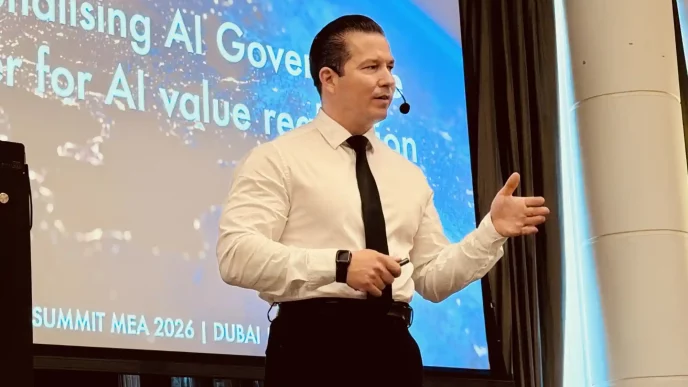
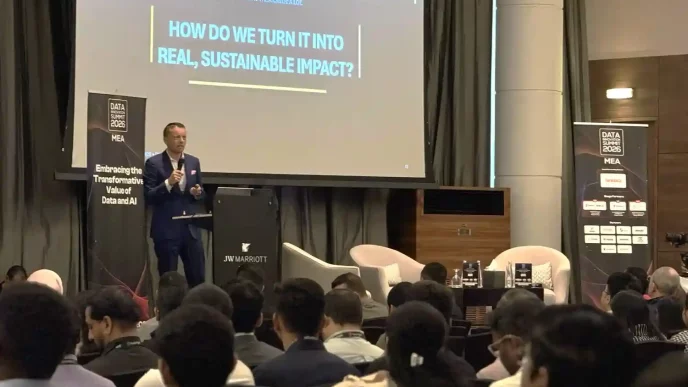
Sign up to see the whole presentation about: Next-Generation Data Platform Enabling Agile, Scalable, and Collaborative Data-Driven Fashion at H&M, presented by Misbah Uddin, H&M