This week in the Practitioner Spotlight we have Lotte Ansgaard Thomsen, an Associate Professor at Aalborg University. Her career has evolved from analyzing massive datasets at the CERN particle physics laboratory and Yale University to developing AI for industrial manufacturing.
Now at the Department of Sustainability and Planning, Lotte focuses on creating positive impact through transparent, explainable AI. Whether forecasting critical variables for space weather or tracking environmental footprints, she prioritizes “opening the black box” and grounding technology in physical reality.
We discuss her transition from physics to industry, the importance of domain-led innovation, and why collaboration beats the “AI King” mindset.
Hyperight.com: What’s the best way to describe your job to someone outside tech?
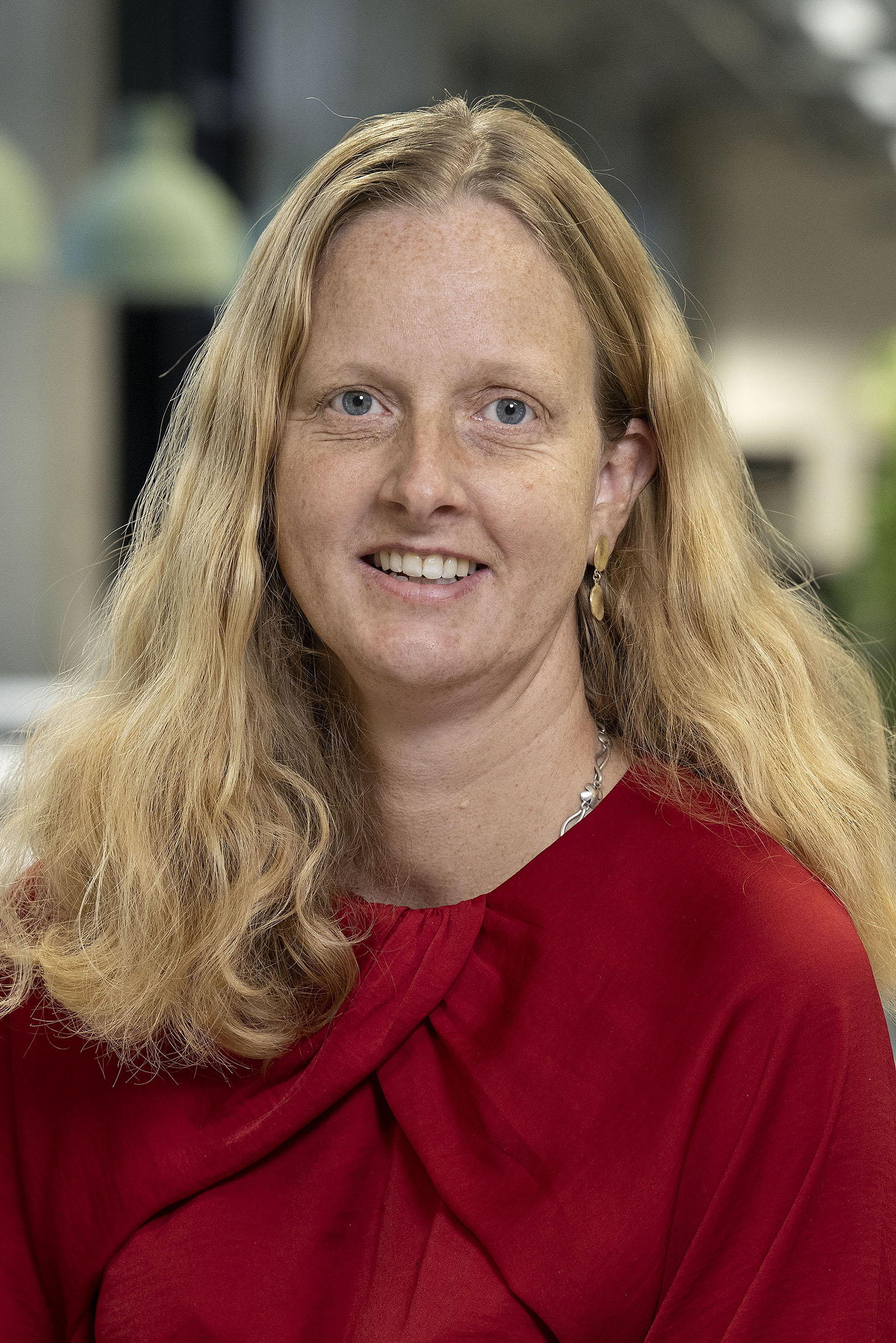
Lotte Ansgaard Thomsen: Put simply, my goal is to use AI to keep knowledge growing and to make complex systems a bit easier to understand, instead of hiding them behind black boxes. I care a lot about transparency and explainability. In some projects, that means using AI to better understand how critical variables in the upper atmosphere affect satellites. In other projects, it’s about using AI to help people understand the environmental impact of products and services.
Hyperight.com: What originally sparked your interest in AI/data, and what keeps you inspired today? 
Lotte Ansgaard Thomsen: My interest in AI started during my time in particle physics, where we needed advanced data analysis. I was therefore exposed early on to AI. My motivation was using AI as a tool for discovery in physics.
I first understood the broader value of this work when I moved into industry. The decades of expertise built up in CERN are incredibly powerful. In industry, however, the traditions are different, and many domains need to develop a shared language and culture to reach the same level of collaboration and maturity. Seeing that gap helped shape how I think about data and AI projects today.
Hyperight.com: What is one challenge you’re trying to solve, and why does it matter?
Lotte Ansgaard Thomsen: Right now, I have PhD students starting projects that focus on using AI to support better decision‑making early in the design process. This is important because many key decisions are made at this stage, often without access to reliable environmental impact data.
Another upcoming PhD project looks at combining AI with physics and real‑time data to improve weather forecasts and make communication systems more reliable. This is especially important for Denmark and Greenland, where these systems play a critical role.
Hyperight.com: A tool you can’t live without (tech or not)?
Lotte Ansgaard Thomsen: To be honest, I can’t imagine coding without the new AI tools anymore. They’ve changed the way I work, from exploring ideas to writing and debugging code.
Hyperight.com: What trend in data or AI do you think will shape the Nordic region the most?
Lotte Ansgaard Thomsen: I hope a trend in the Nordic region will be how to combine AI with strong domain knowledge for a direct impact on the physical world.
The Nordics already have strong institutions and a strong culture of collaboration. If we focus on AI that respects physical models, considers uncertainty, and real‑world constraints, I hope we can create solutions that genuinely benefit society.
Hyperight.com: What’s one piece of advice you’d give to others entering the data and AI field?
Lotte Ansgaard Thomsen: Get started. It takes time, but it’s possible. A colleague introduced me to the term “AI jealousy” a few years ago. There is a lot of hype now, and everybody wants to do AI. But don’t let the AI jealousy get you, and don’t compete to be the “AI king”. There is no such thing. Focus on collaboration, learning from others, and getting smarter together.