Ask most conference organizers what they built, and they’ll describe an event: a date, a venue, a speaker list. Ask Hyperight, the organization behind the Data Innovation Summit, and the answer looks different. What it built was closer to a calendar than a conference, a year-round rhythm of touchpoints that keeps the same community of Nordic and international data and AI leaders in contact with each other and with the platform long after the flagship event ends each spring in Stockholm.
The flagship, at scale
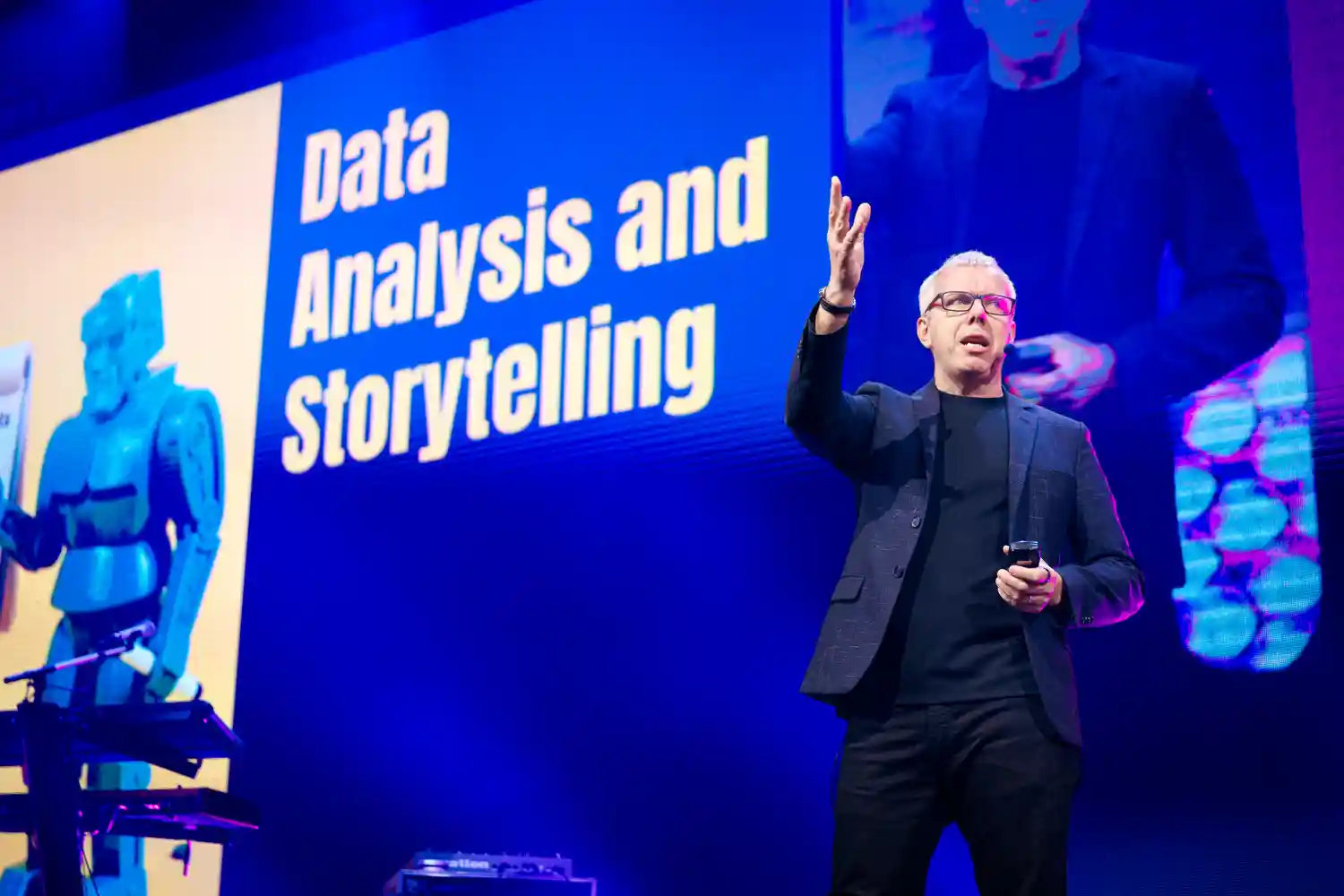
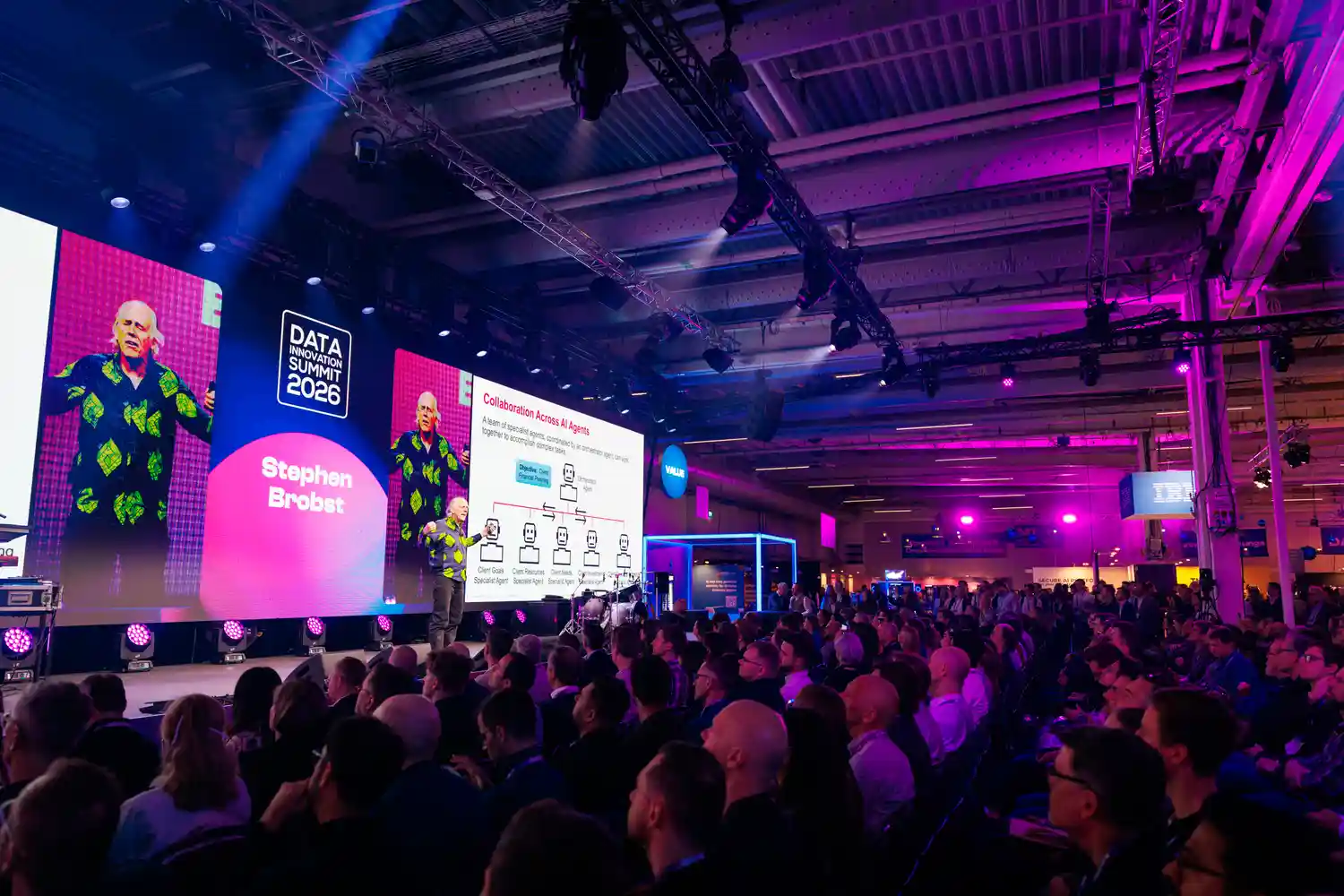
The Data Innovation Summit remains the anchor. Last year alone, the flagship event brought together more than six thousand registered paid delegates across its four host cities: Stockholm, Singapore, Dubai, and Melbourne. That geographic spread matters as much as the headline number, because it means the summit is no longer a single Nordic gathering with an international reputation. It is now a genuinely multi-regional platform running under one brand across Northern Europe, the Middle East, and Asia-Pacific, with each edition adapted to the maturity and priorities of its region rather than simply exported wholesale.
But the summit is only one layer of what Hyperight actually runs. Across the full portfolio, roughly thirty separate workshops, seminars, masterclasses, conferences, and large-format events took place last year, not counting the informal community after-works and networking evenings that happen alongside them. Collectively, those events served somewhere between eight and ten thousand delegates over the course of the year, drawn from a global community database of around eighty thousand pre-qualified data, analytics, and AI decision-makers, practitioners, and experts. That database is arguably the least visible and most valuable part of the entire operation: it is the accumulated result of a decade of direct relationships, not a purchased list, which is why the events built on top of it tend to produce a noticeably higher density of senior, qualified participants than open-registration conferences of a similar size.
Data 2030 and NDSML: depth where the flagship can only go broad
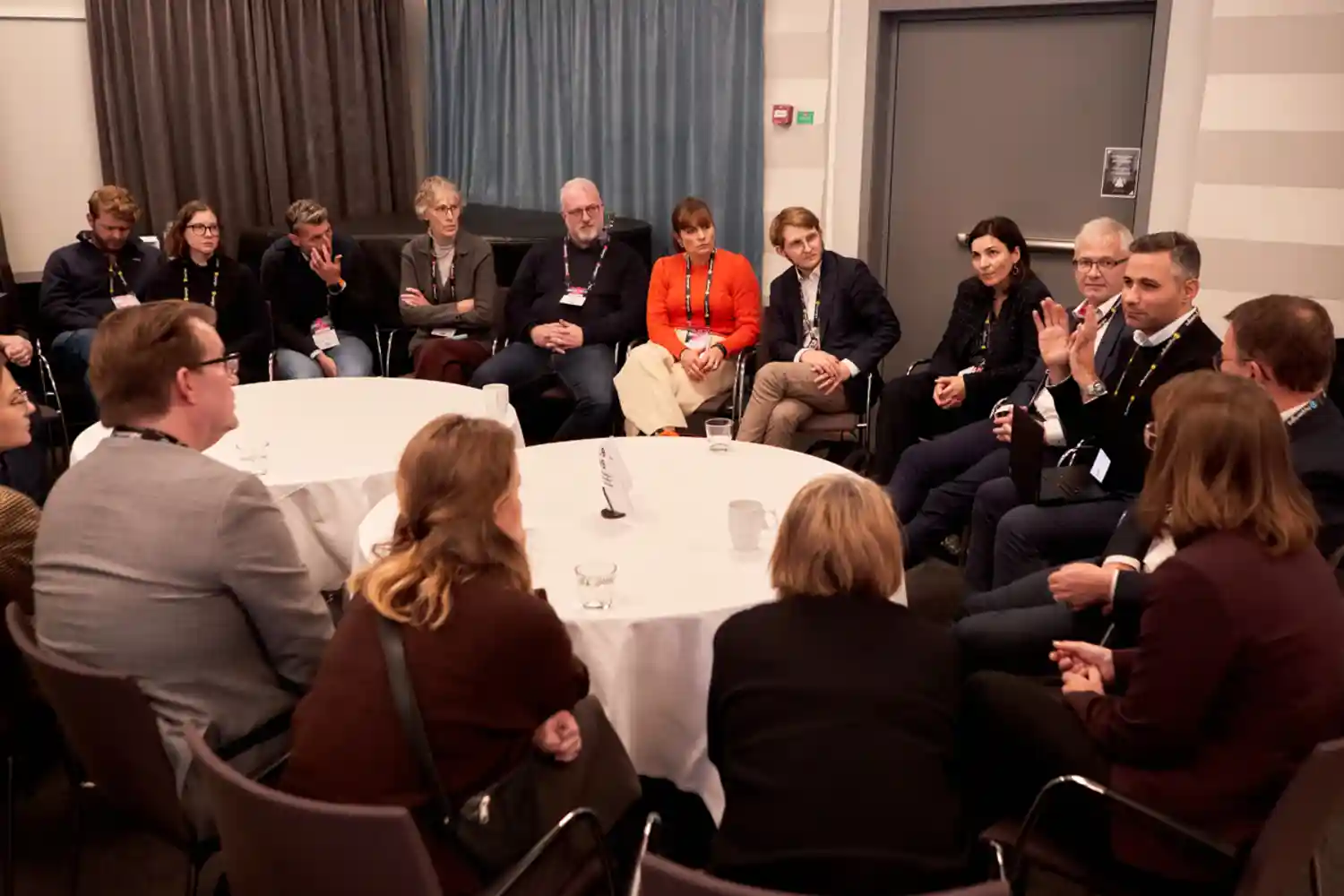
The first layer beyond the main summit is the pair of sister summits built to give specific practitioner communities more room than a single flagship agenda can provide. The Nordic Data 2030 Summit exists for data management practitioners specifically, people responsible for governance, architecture, and the operational plumbing that determines whether an organization’s AI ambitions are actually achievable. The Nordic Data Science and Machine Learning Summit, known as NDSML Summit, does the equivalent for data scientists and machine learning specialists, giving that audience a technical depth of programming that a broader executive-facing summit can’t fully accommodate in a single day. Both grew directly out of the same instinct that shaped the original Data Innovation Summit: listen to what a specific part of the community is asking for, then build the room that actually serves them.
TPO33: the power of a deliberately small room
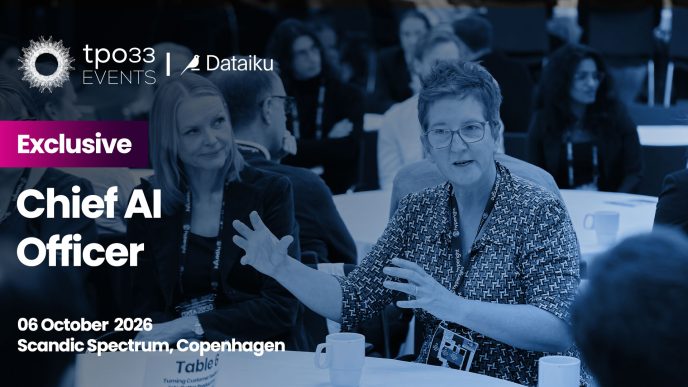
If the summits are built to go broad and then deep, tpo33 events are built to go narrow and personal. Each tpo33 gathering is capped at exactly thirty-three participants, run over roughly three and a half hours and structured around three sixty-minute sessions, each opened by a short catalyst presentation and then handed over to a roundtable discussion in groups of around ten to eleven people. Delegates can not move between groups, and the total headcount stays fixed, a constraint the organizers treat as the entire point rather than a limitation: it is what keeps the conversation at the level of genuine peer problem-solving instead of passive listening. 
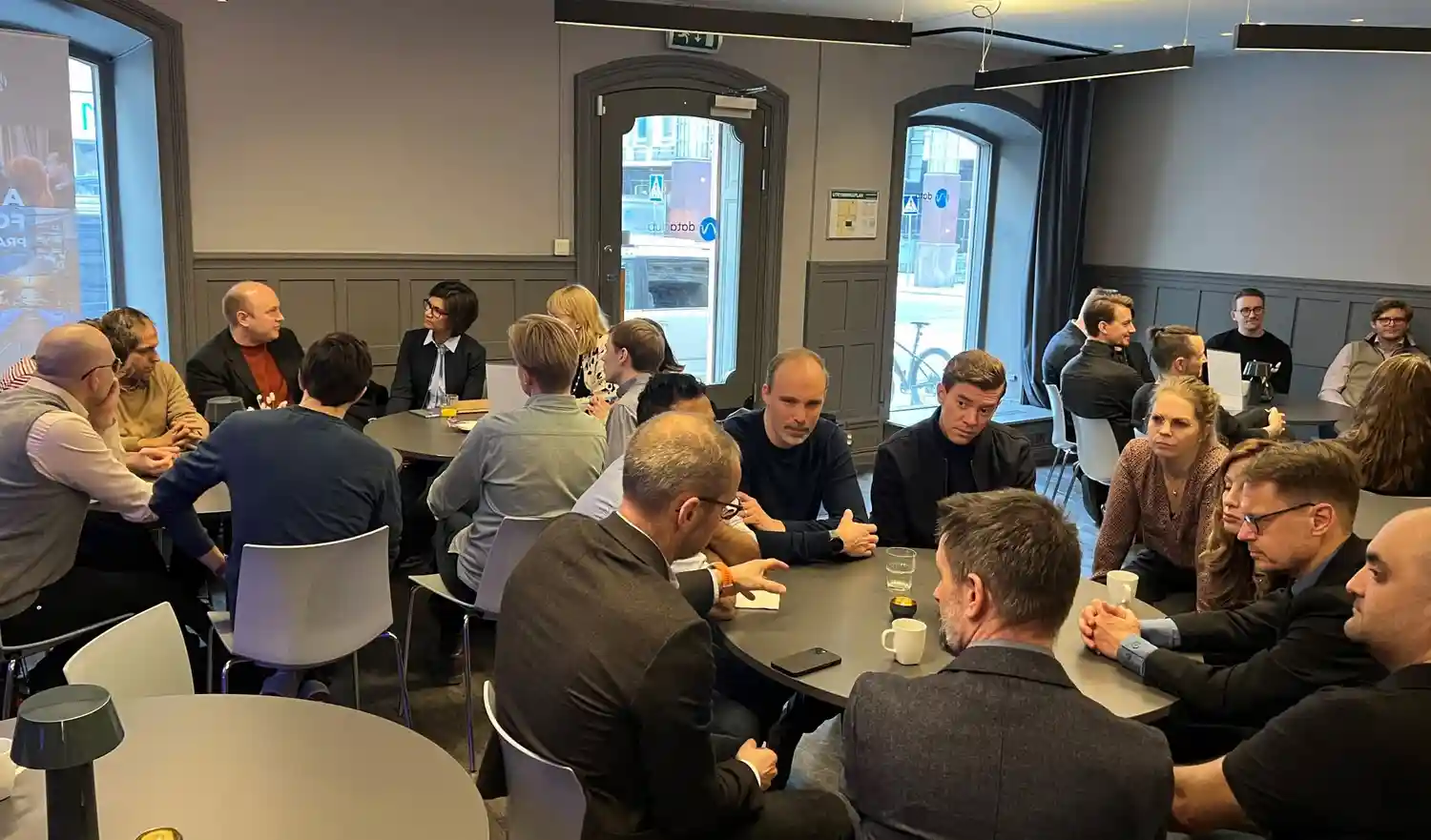
The tpo33 events are organized around specific senior functions rather than general themes, with recurring formats built for Chief Data Officers, Chief AI Officers, Chief Analytics Officers, and Chief Technology Officers, among others, so that the person in the room across the table is reliably facing the same class of challenge, not just working in the same broad industry. The format runs year-round across the Nordics, the Middle East, and Asia-Pacific, with further regions planned, and the topics move with whatever the community is actually wrestling with in a given quarter, from operationalizing AI and sovereign, secure AI infrastructure, to FinOps for AI workloads and the practicalities of scaling from citizen data science pilots into production. It is, in effect, the mechanism that lets the Data Innovation Summit’s community meet each other far more often than once a year, and talk about problems at a level of specificity a large stage can rarely support.
DISx: the same conversation, one industry at a time
Where tpo33 organizes the community by job function, DISx organizes it by sector. Standing for Data, Innovation, and Strategy Exchange, DISx is a regional series of one-day, sector-focused summits built around a consistent, compact structure: four thematic blocks, eight keynotes, and three industry roundtables, with no filler sessions in between. Editions have run under banners including Finance, Telecom & Digital Services, Manufacturing, Energy & Asset-Heavy Industries, and, reflecting where the industry conversation has moved most recently, Enterprise Agentic AI, with the series currently active across the Middle East, running in cities including Dubai and Riyadh, and expanding further.
The philosophy behind DISx is explicit: unlike a general technology conference, it treats AI and data not as topics to be explored in the abstract but as tools already being applied to reimagine how a specific industry operates, delivers services, and engages its own customers. A finance and telecom audience and a manufacturing and energy audience are facing genuinely different constraints, from regulatory exposure to physical asset lifecycles, and DISx exists because those differences deserve their own room rather than a shared, generic AI track bolted onto a broader agenda.
What the layering actually accomplishes
Put together, the four layers, an international flagship summit, two practitioner-specific sister summits, a function-based small-group series, and a sector-based regional series, mean that an organization’s engagement with Hyperight rarely has to start and stop in a single day each year. A Chief Data Officer might first encounter the platform at the Data Innovation Summit in Stockholm, return a few months later to a tpo33 session built specifically for CDOs to work through a governance problem with ten true peers, and then send a sector-specific team to a DISx event addressing exactly their industry’s transformation challenges, all without ever leaving the same underlying community or database.
That structure is also why the roughly thirty events Hyperight ran last year shouldn’t be read as thirty separate businesses stitched together opportunistically. They function as a single, deliberately layered program: broad and international at the top, narrow and functional in the middle, and sector-specific at the edges, all feeding from and back into the same eighty-thousand-person community that the Data Innovation Summit itself set out to build starting with 264 delegates in a single room in Stockholm in 2016. Very few data and AI platforms in Europe, or globally, can point to a comparable structure that reaches this many senior decision-makers this consistently across an entire calendar year rather than a single high-visibility week.